
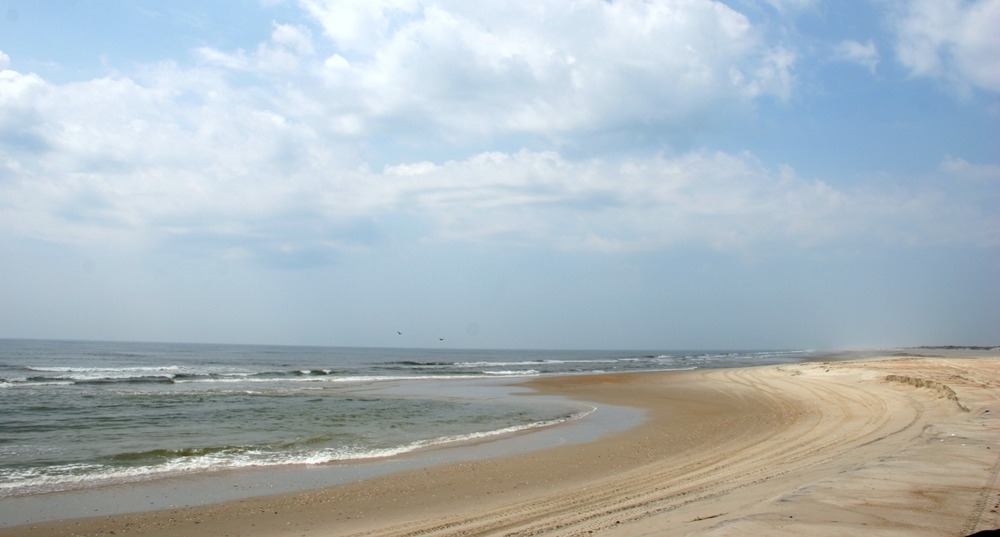
A ferry ride can make a beach outing feel like a small expedition. It also changes the plan: the car is no longer a few minutes away, and getting home depends on an arranged crossing. Before choosing how far to walk or how much to carry, settle where you will land and how you will leave.
Cape Lookout National Seashore in North Carolina is a useful example. Our South Core Banks guide introduces the destination; the park and ferry operator provide the trip-specific details. This article is a planning framework, not a timetable or a confirmation that a sailing is available today.
Choose the landing first
The National Park Service's authorized ferry directory separates passenger trips from vehicle transport. It lists passenger departures from Harkers Island and Beaufort for Cape Lookout Lighthouse and Shackleford Banks, while vehicle ferries from Davis serve Great Island on South Core Banks. Those are different arrival plans, even where the island name overlaps.
For a day on foot, start with the passenger route that reaches the place you actually want to explore. Write down the mainland departure point and island destination together. If your aim is the ocean beach near the lighthouse, do not assume that a ticket for another island or a different South Core Banks landing provides the same walk.
Work backward from the return
Ask the operator to confirm the return time, meeting place, how early to be there and what happens if weather changes the service. Save those instructions with your booking. Then choose a walking turnaround time that leaves room for the slowest person in your group, packing up and getting back to the pickup point. That buffer is our editorial recommendation, not an official minimum.
NPS transport guidance says passenger schedules change with the season and describes the vehicle-ferry season as mid-March through the end of November. The park's conditions page also identifies ferry operation as weather-dependent and directs visitors to the operator for daily schedules. A general season description is not evidence of an available departure on your chosen November date.
A practical way to keep the day manageable is to choose one main activity: a short ocean-side walk, time sitting on the sand or a looking-only beachcombing outing. Add distance only after the return arrangements are clear. Our beachcombing article explains why finding something and being allowed to remove it are separate questions.
Ask how you will get ashore
Do not infer a continuous accessible route from the presence of a ferry or boardwalk. On November 12, 2026, Island Express Ferry Service says its Cape Lookout passengers unload next to the dock and may get their feet wet, depending on the tide. The older NPS ferry page, last updated January 21, 2025, describes a reduced docking area and says the dock is not wheelchair-accessible while repairs remain incomplete. The descriptions differ; neither establishes a suitable boarding and landing route for every traveler.
Before booking, describe your mobility needs and equipment to the operator and ask about both ends of the crossing, the landing surface and the onward route. If the answer does not establish a workable trip for your party, choose another outing. A beach wheelchair or an accessible facility elsewhere in the park does not resolve a gap at the boat.
Pack for a self-contained day
The park's visitor introduction asks visitors to bring their food, water and supplies and take their trash away. Use that as the basis for packing, rather than making lunch or drinking water depend on an unconfirmed island service. Carry a bag for your own rubbish and belongings on the return.
Seasonal services need their own check. NPS lists the beach shuttle from the Light Station to the point as a mid-May to mid-September service on its ferry page. Do not build a November walk around that summer schedule. Its conditions page describes water near the lighthouse and Great Island as seasonal, without giving a precise November shutdown day. Confirm the facilities you need for the actual landing and visit date; the article does not certify that a tap, toilet or shuttle will be operating.
Pack only what your group can manage between the boat and your chosen beach spot. If a wagon or bulky equipment is essential, ask about the ferry's cargo arrangements before bringing it to the departure point. Layers and a manageable bag are useful editorial choices for a flexible outing; this is not a weather forecast or a complete safety-equipment list.
Keep a mainland alternative
Before leaving home, keep a short note with:
- The two ends of the trip: mainland departure point and exact island landing.
- The return: confirmed pickup place, time and operator instructions.
- The route: boarding, landing and walking conditions your group can manage.
- The supplies: drinking water, food and a way to carry everything back.
- The alternative: a mainland outing if the sailing changes or the landing does not fit your needs.
Our suggestion is to make the alternative something you would still enjoy, rather than treating a cancelled crossing as a reason to improvise another boat trip. Confirm the ferry plan again close to departure. The best beach day is the one whose travel arrangements leave enough time to enjoy being there.
Sources and scope
Reviewed November 12, 2026: National Park Service Cape Lookout ferry directory, getting-around guidance, conditions page and park introduction; Island Express Ferry Service's own landing notice. Older general NPS descriptions are distinguished from the operator's more specific landing notice. Published seasons are not a live schedule, facility check or access guarantee. The return buffer, packing approach and fallback plan are editorial advice. No fare, seat availability, current water condition or swimming-safety claim is made.
Published and source-checked November 12, 2026. We favor original reporting, authoritative sources and clear limits over search-driven filler. Read our corrections policy or report an issue.